
Lures
Triggering a strike from a cautious or pressured fish requires a presentation that looks, moves, and feels like real prey — and most hard plastics simply cannot deliver that level of realism. Zukibo Fishing Lures address this with a range of soft bait designs and precisely weighted squid jigs built to produce the natural action that both freshwater and saltwater species respond to. Browse the full lineup, find the best price for your target species, and order now directly from the official store.
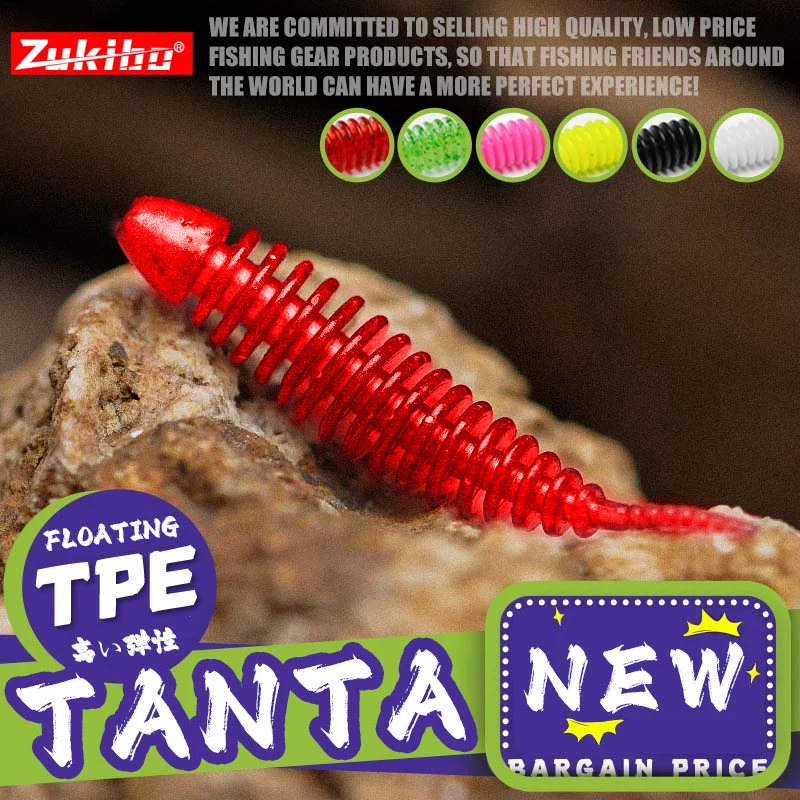
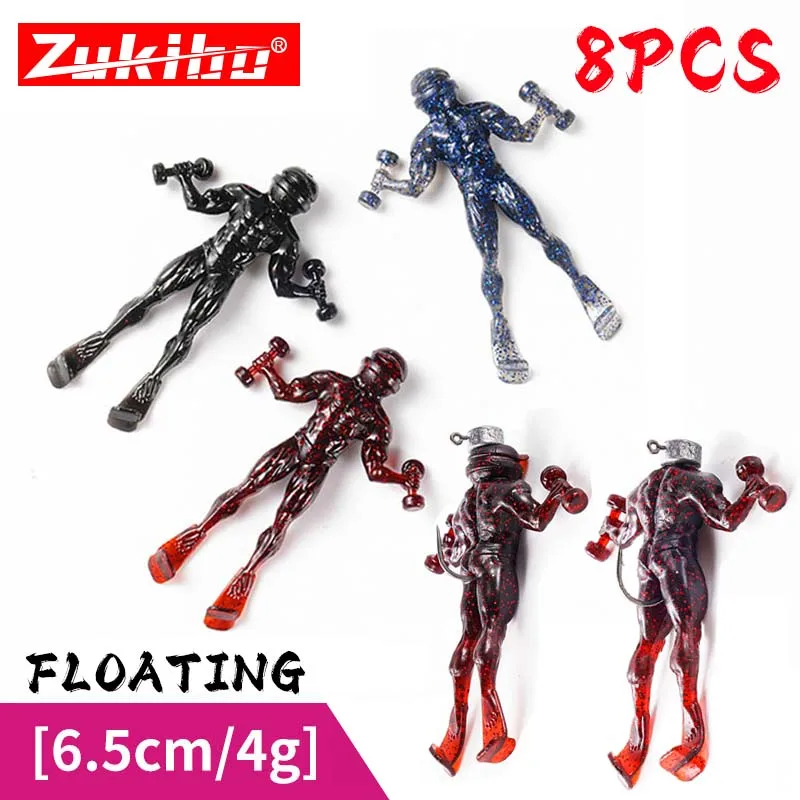
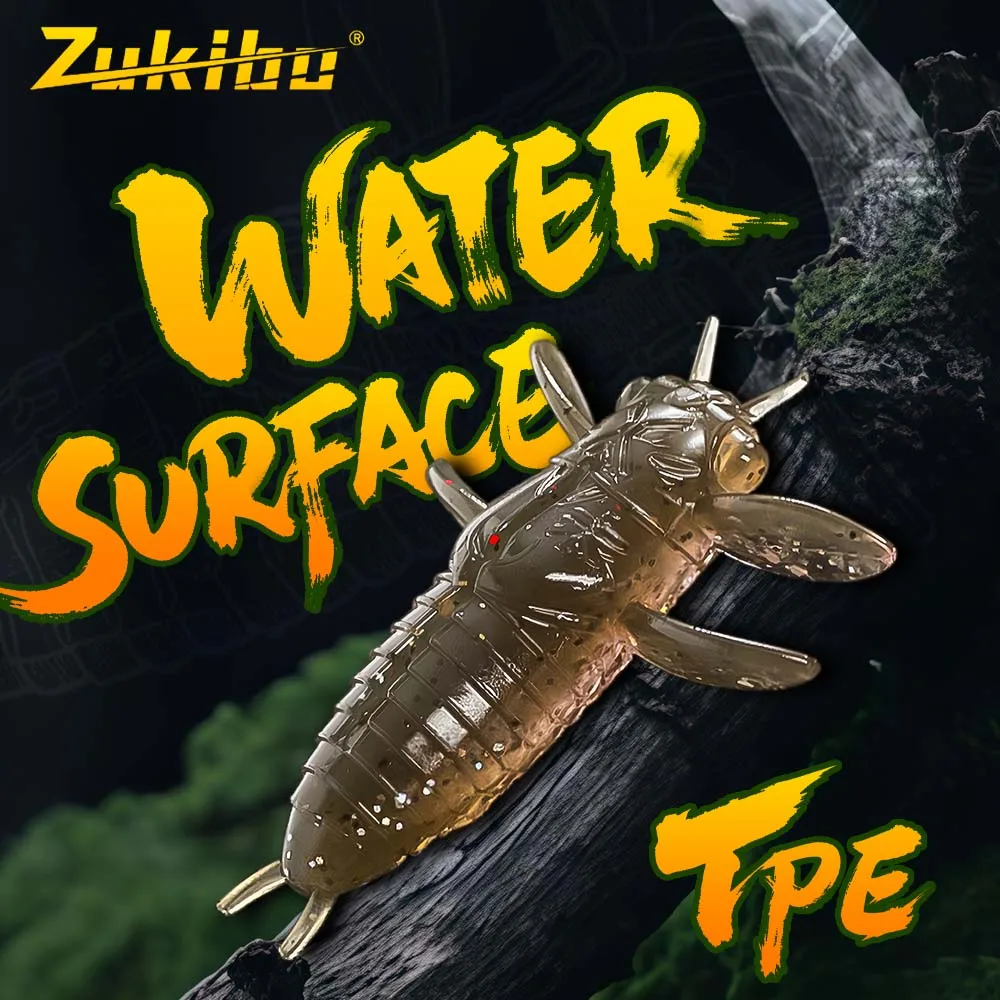
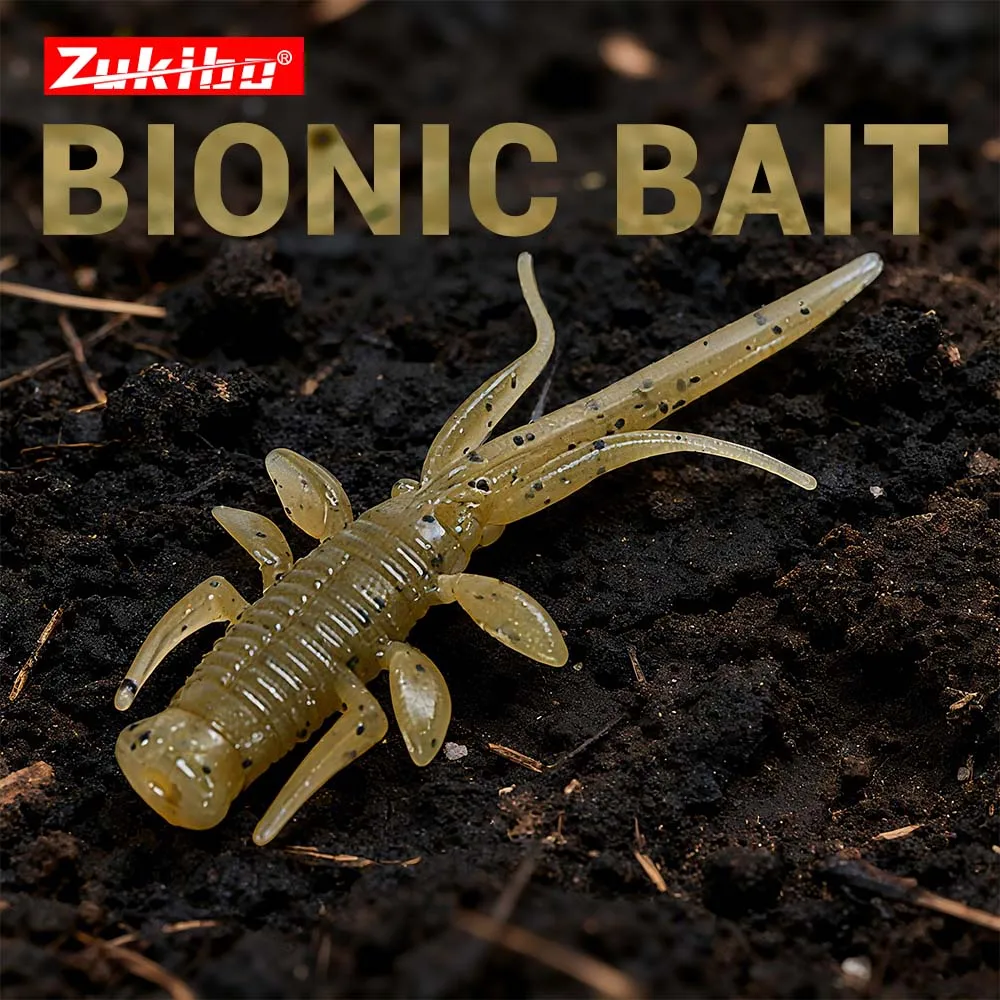
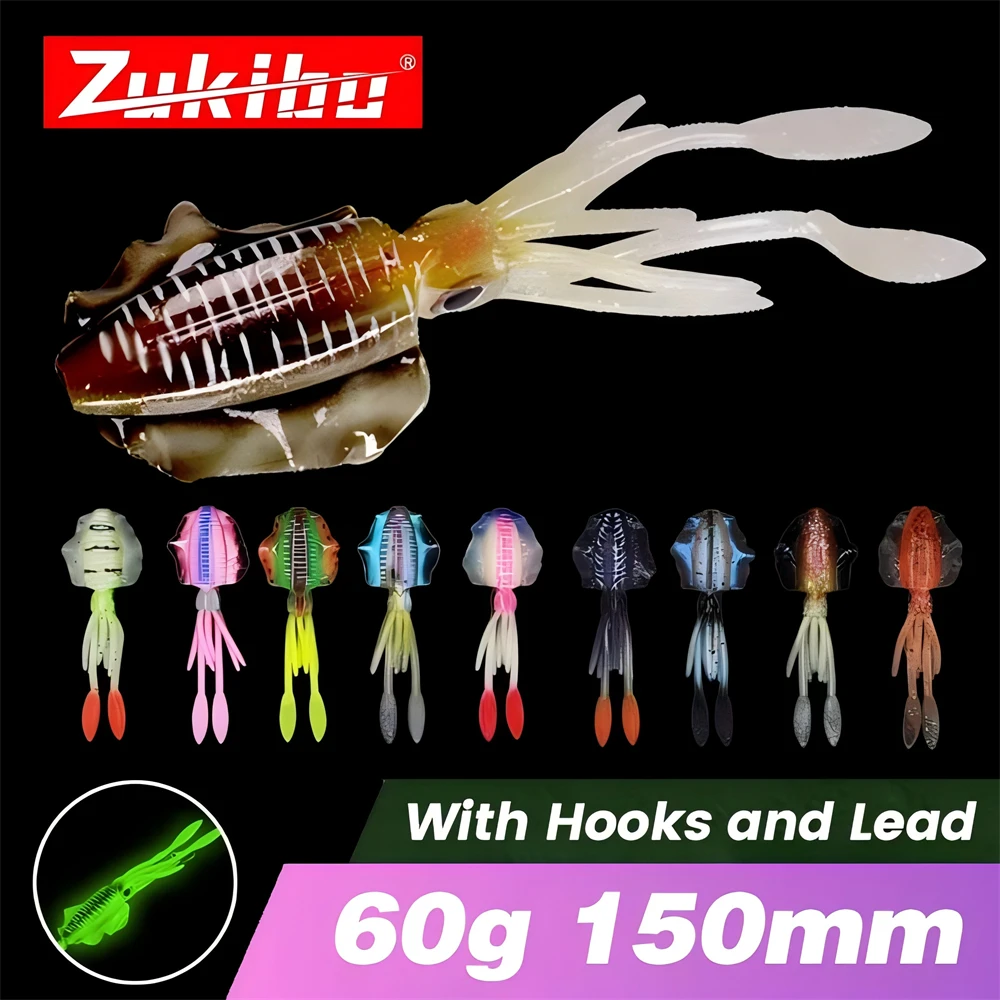
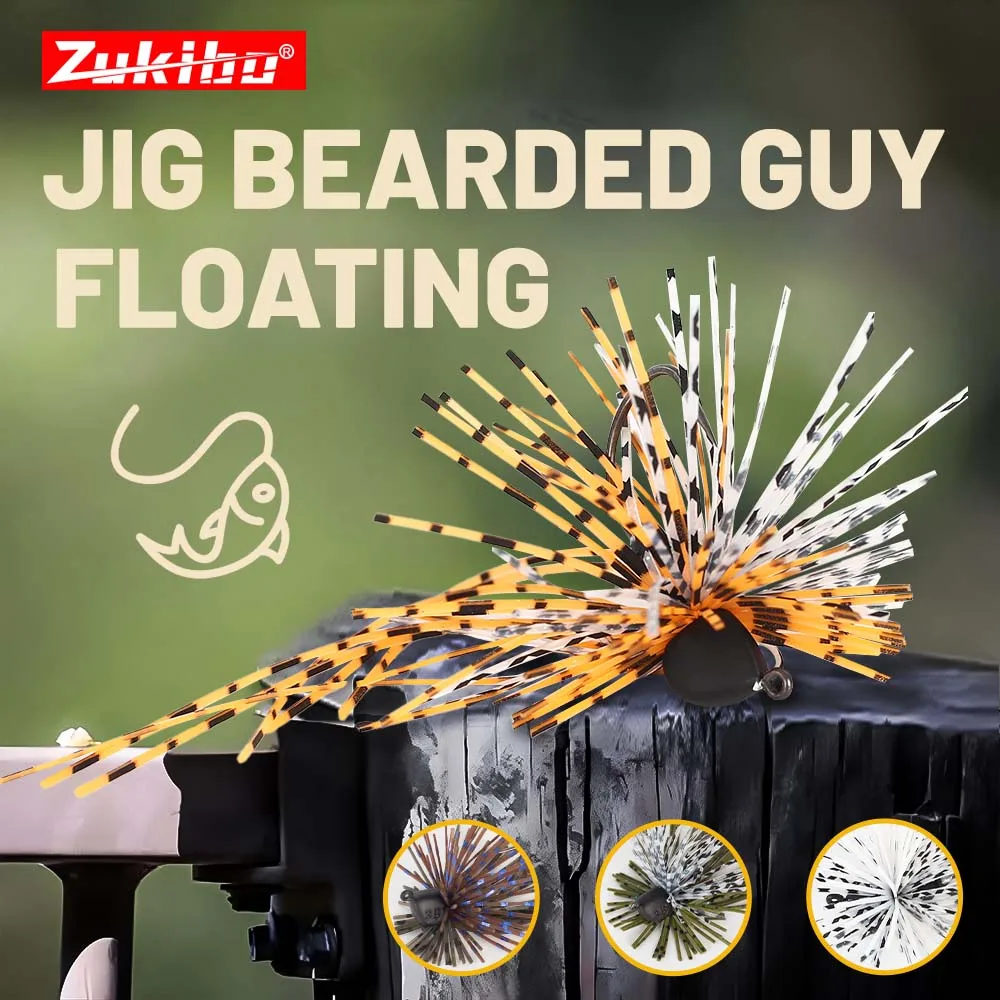
Zukibo Fishing Lures Including Soft Baits and Squid Jigs
Zukibo Fishing Lures span two primary categories — soft plastic baits and squid jigs — giving anglers a versatile toolkit for both freshwater predators and saltwater targets across a wide range of conditions. Soft baits in the lineup include paddle tails, creature baits, stick worms, and segmented swimbaits, each designed to produce a specific swimming or falling action that triggers predatory strikes. Squid jigs are purpose-built for cephalopod species across coastal and nearshore environments, featuring weighted keels, sharp prong arrays, and reflective or luminescent finishes proven to attract squid under varying light levels. Both categories cover a realistic size range, from small finesse profiles for line-shy fish in clear water to larger, high-displacement designs for big-water predators. The color palette across the range draws on documented forage species found in common freshwater and coastal saltwater ecosystems, matching natural bait appearances rather than relying on novelty. Every lure in the lineup is produced from materials selected for their specific physical behavior in water — buoyancy, flexibility, and scent retention in soft baits, and sink rate and stability in squid jigs. This is the full-spectrum lure selection a trusted brand provides when it is designed around actual fish behavior rather than shelf appeal alone.
Materials and Action Design in Every Lure
Soft baits in the Zukibo range are molded from a plastisol compound formulated to a specific durometer rating that balances softness for natural feel against durability for repeated casts and strikes without tearing. The paddle tail and segmented body designs are hydrodynamically shaped so that water pressure during the retrieve generates a defined, rhythmic action without requiring rod manipulation from the angler. Scent channels molded into selected soft bait bodies allow liquid attractants to distribute from the interior of the bait outward during use, extending the triggering range of the presentation. Squid jig bodies are constructed from a rigid ABS core with a fabric or textured outer surface that mimics the tactile appearance of natural squid prey, encouraging the hold-and-bite behavior that makes squid relatively easy to land once triggered. The prong array on squid jigs uses tempered stainless wire bent to a consistent angle and spacing for maximum hookup rate on the sideways strike pattern squid use. Reflective tape inserts and UV-reactive pigments in selected jig finishes remain effective at low-light and deeper water depths where standard painted colors lose their triggering effect. Each design decision in this lineup connects directly to a documented fish or squid behavioral response, not aesthetic preference.
Performance Advantages Over Competing Lure Options
Many competing soft baits on the market are produced from low-grade plastisol that becomes brittle in cold water or tears after fewer than five strikes, increasing per-fish cost significantly. The plastisol compound used in this lineup maintains consistent flexibility across a wide water temperature range, from cold early-season conditions to warm summer surface temperatures. Generic squid jigs frequently ship with prong arrays that are uneven in angle or spacing, reducing the percentage of strikes that convert to landed squid because the hookup geometry is inconsistent. The prong specification used here is held to a tighter manufacturing tolerance, which measurably improves hookup rate in real fishing situations. Color fastness in low-cost painted soft baits degrades rapidly with exposure to fish enzymes and salt, while the pigment system used in this range resists breakdown to maintain triggering effectiveness across a full fishing session. Head weight placement in the soft bait lineup is calibrated so that the lure falls at a specific rate on a slack line, which is the critical triggering moment for predators like bass, pike, and flatfish that hunt by ambush. Choosing lures from a brand that documents these specifications gives you a measurable performance advantage over anglers using undifferentiated commodity products.
Selecting the Right Lure and Getting the Best Deal
Start lure selection by identifying the primary forage species in the water you are fishing: matching size, profile, and color to what fish are already feeding on is the single most reliable trigger for a strike. In clear, high-pressure water, choose smaller profiles in natural or translucent colors and present them on slower, more subtle retrieves that do not alert cautious fish. In stained or low-visibility water, larger profile soft baits with high-contrast or UV-reactive colors generate the displacement and visual signal fish need to locate the lure. For squid jigging, match jig weight to the depth you are fishing: heavier jigs reach the strike zone faster in deeper water or stronger current, while lighter jigs produce a slower, more erratic fall in shallow conditions that can be more effective when squid are holding tight. Changing retrieve speed and pause duration is more productive than constantly changing lures — most anglers underestimate how much a subtle speed change affects the lure’s action and triggering potential. Zukibo Fishing Lures are available to order online from the official store at the best price, with the full range visible so you can compare sizes, colors, and configurations before checkout. Shop now and build a versatile lure kit that covers your freshwater and saltwater targets through every season.